Source Transmission Mount Parts for Auto, Excavator, and Ford
Source transmission mount components from 30 verified listings. Compare specifications for steel and aluminum alloy materials, ISO certifications, and customization options. Evaluate machining tolerances and delivery times for auto parts and heavy machinery applications; compare the available evidence and request quotations based on your requirements.
Key considerations
Products List






Comprehensive Sourcing Guide
Transmission Mount Sourcing Guide
Procuring transmission mounts requires identifying components that specifically manage engine and transmission movement while absorbing vibration. The available market data indicates that these mounts are frequently categorized under auto parts with specific applications for heavy machinery like excavators, alongside standard automotive uses. Buyers must distinguish between general transmission mounts and specialized units like engine mounts or steering gears, as the functional requirements for vibration isolation and load-bearing capacity differ significantly between these categories.
Sourcing strategies should focus on verifying the customization availability and material composition, as the supply chain offers options ranging from steel to aluminum alloy and iron bodies. The observed listings suggest that suppliers often provide customized colors and specific packing requirements, such as wooden packages or neutral packaging, which can impact logistics costs. Understanding these variable attributes is essential before initiating contact, as the specific configuration of the mount directly influences its compatibility with the intended vehicle or machinery platform.
Product Scope and Observed Listing Signals
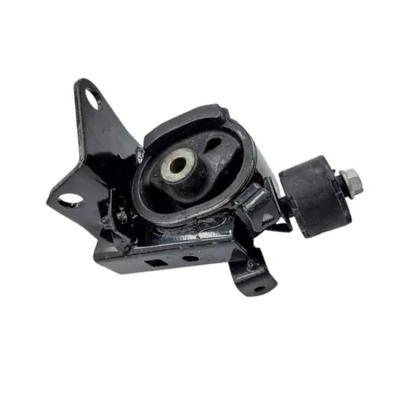
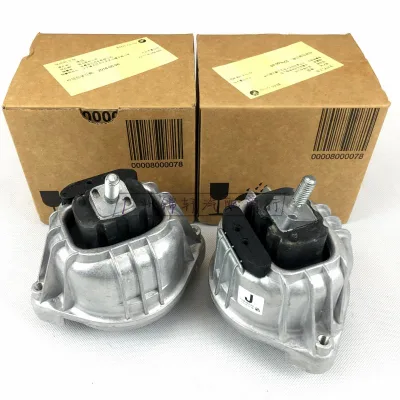
The product scope for transmission mounts encompasses a variety of configurations, including specific models like the 9G916F012DA and 50890-TBA-A82, which are designed for distinct vehicle makes such as Ford and Toyota. Listings often highlight the component type as a lower junction plate or a specific transmission mount type, indicating that buyers must carefully match the part number to their existing assembly. The presence of different car makes in the data suggests a broad inventory, but the specific application must be confirmed to ensure the mount fits the intended chassis and transmission system.
Observed listing signals reveal that these components are typically sold as single items with a selling unit structure that allows for flexible ordering. The data shows a wide price range from 0.05 to 50,000 USD, reflecting the diversity in size, material, and complexity, from simple rubber mounts to heavy-duty steel assemblies. Buyers should note that while some listings specify a weight of 20.59kgs, others may vary significantly, making it critical to verify the physical specifications against the vehicle's load requirements before finalizing a purchase order.
Technical Specifications to Verify
Technical verification must begin with the material composition, as the supply chain offers mounts constructed from steel, aluminum alloy, and iron bodies with shock-reducing rubber made of NR. The casting method is a critical differentiator, with options including thermal gravity casting and lost wax casting, which directly affect the structural integrity and dimensional accuracy of the final part. Buyers should request detailed metallurgical reports to confirm that the chosen material meets the stress and fatigue requirements of the specific transmission system being serviced.
Dimensional precision is equally vital, with observed machining tolerances of +/-0.10mm and surface roughness values like Ra6.3 serving as key benchmarks for quality. The inspection process often involves the use of calipers to ensure these tight tolerances are met, but buyers must also verify the surface preparation methods, such as sand blasting, which can influence the longevity and corrosion resistance of the mount. Confirming that the molding technics align with the design specifications ensures that the mount will perform reliably under the dynamic loads of operation.
Compliance and Safety Documentation
Compliance documentation is a primary requirement for transmission mounts, with ISO 9001 and ISO certifications frequently cited as standard quality benchmarks in the supply chain. The observed data also references RoHS and CE certifications, which are essential for ensuring that the materials used do not contain hazardous substances and meet European safety standards. Buyers must request valid certificates for each batch to verify that the supplier maintains consistent adherence to these international standards throughout the production process.
Safety and performance standards extend to the specific product standards listed, such as AISI and general standard classifications, which define the mechanical properties of the steel or alloy used. The warranty period of 12 months observed in some listings provides a baseline for accountability, but buyers should negotiate terms that cover specific failure modes related to material fatigue or rubber degradation. Ensuring that all safety documentation is up to date and traceable to the manufacturing batch is crucial for liability protection and regulatory compliance in the destination market.
Cost Drivers and Commercial Terms
Cost drivers for transmission mounts are heavily influenced by the material selection, with steel and aluminum alloy commanding different price points based on market volatility and processing complexity. The observed MOQ range of 1 to 1000 units allows for flexibility, but specific listings indicate an MOQ of 200PCS for certain custom configurations, which can impact the unit cost for smaller buyers. Buyers should analyze the total cost of ownership, including the price per unit and the potential savings from bulk ordering, while considering the impact of customization on the final price.
Commercial terms regarding delivery and packaging are significant factors in the overall procurement cost, with lead times observed at 45 days for standard orders. The packaging options, ranging from wooden packages to pallets or brown boxes, can add to the shipping weight and volume, affecting freight charges. Buyers must clarify whether the delivery time includes the customization process and ensure that the payment terms align with the production schedule to avoid cash flow disruptions during the manufacturing and shipping phases.
Supplier Qualification and Quality Control
Supplier qualification should prioritize manufacturers that demonstrate a clear capability for customization and adherence to strict quality control protocols. The availability of automatic production processes suggests a high level of consistency, but buyers must verify that the supplier has the infrastructure to handle specific requests for color customization and unique packing requirements. A qualified supplier will provide a transparent view of their production line, including the specific casting methods and surface preparation techniques used to ensure product reliability.
Quality control measures must be rigorously enforced, with a focus on the inspection methods used, such as caliper measurements, to verify dimensional accuracy. The observed data indicates that suppliers often use specific standards like ISO9001 to manage their quality systems, but buyers should conduct their own audits or request third-party inspection reports to validate these claims. Establishing a clear communication channel for reporting defects and ensuring that the warranty terms are honored is essential for maintaining a long-term, reliable supply relationship.
Long-Term Procurement Checks
Long-term procurement checks require a systematic approach to monitoring supplier performance and product consistency over time. Buyers should establish a schedule for periodic quality audits to ensure that the supplier continues to meet the specified standards for material composition, casting methods, and surface preparation. Regular reviews of the warranty claims and return rates will provide valuable data on the durability of the transmission mounts and help identify any systemic issues in the manufacturing process.
It is also critical to maintain a dynamic relationship with the supplier to adapt to changing market conditions and technical requirements. The ability to customize the product, such as adjusting the color or packing, should be leveraged to optimize logistics and branding over the long term. Buyers must stay informed about updates to international standards and certifications, ensuring that the procurement strategy remains compliant with evolving regulatory landscapes and industry best practices.
FAQs
What certifications do transmission mounts typically have?
Transmission mounts often carry ISO 9001 and RoHS certifications to ensure quality and safety standards. Some products also include CE marks for compliance. These certifications verify that the manufacturing process meets international requirements for automotive components and materials used in production.
Can I request custom colors for transmission mounts?
Yes, customized colors are available for transmission mounts to match specific vehicle or branding needs. Buyers can specify color requirements during the ordering process. This customization option allows for better integration with existing vehicle aesthetics or corporate identity standards.
What is the typical lead time for delivery?
The standard delivery time for these transmission mounts is approximately 45 days. This timeframe accounts for production scheduling and quality checks. Buyers should plan their inventory accordingly to ensure timely arrival of parts for assembly or replacement needs.
Which materials are used for transmission mount bodies?
Transmission mount bodies are commonly made from steel or aluminum alloy for durability. Some variants use iron for specific load requirements. The choice of material depends on the application, such as auto parts or heavy machinery like excavators, ensuring optimal performance.
How is the machining tolerance defined for these parts?
The machining tolerance for transmission mounts is typically set at plus or minus 0.10mm. This precision ensures proper fitment and function within the vehicle. Inspection using calipers verifies that each component meets these strict dimensional standards before shipping to customers.
What packaging options are available for shipping?
Packaging options include wooden packages, pallets, or neutral brown boxes based on buyer requirements. Customization is available to meet specific logistics needs. This flexibility helps protect the parts during transit and simplifies handling for distributors or manufacturers receiving the shipment.
Can I find transmission mounts for Ford vehicles?
Yes, transmission mounts compatible with Ford vehicles are available in the product range. Specific models like the 9G916F012DA are listed for certain applications. Buyers should verify the exact car make and model number to ensure compatibility with their specific vehicle requirements.
What warranty is provided for transmission mounts?
A 12-month warranty is typically provided for transmission mounts to cover manufacturing defects. This warranty ensures reliability and performance for the buyer. It applies to new condition parts and offers peace of mind regarding the quality and durability of the purchased automotive components.